Indian marriages
• People still rely on their parents to find the right person
• Internet also provide opportunity for people to get together
• Marriage is the most important social occasion.
• Love marriages generally happen with the approval of the parents.
• Divorce is not accepted among Indians.
Customs
• The bride and the grooms are showered with rice grains when they leave for their new home.
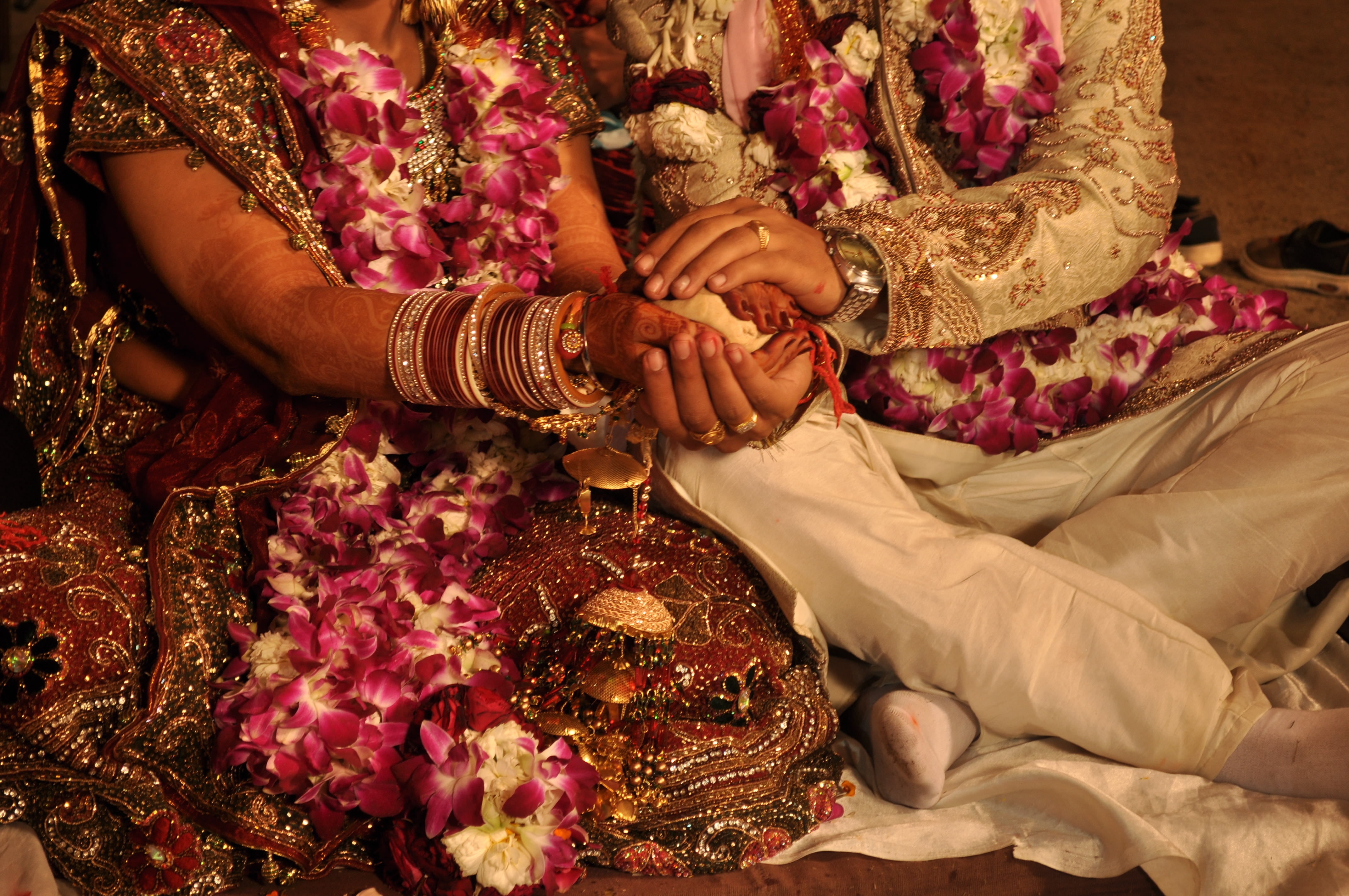
• In the sindhi tradition when the bride enters her new house she has to take some salt in the palm of her hands and exchange it with the groom’s relatives.
Traditions
• Many marriages are arranged within the religion and preferably in the same community.
Types of wedding
• There are different types of wedding
• Bengali, Catholic, Gujarati, Kannada, Kashmiri, Mharashtrian, Malyalee, Marwari, Parsi, Muslim, Punjabi, Sikh, Sindhi, Tamilian and Telugu weddings.
Tamilian wedding
• The parents of the bride and groom exchange horoscopes and the family priest compare them in various regards.

Rituals on a tamilian wedding
• When the match is finalized a private function is organized to draw up the marriage agreement.
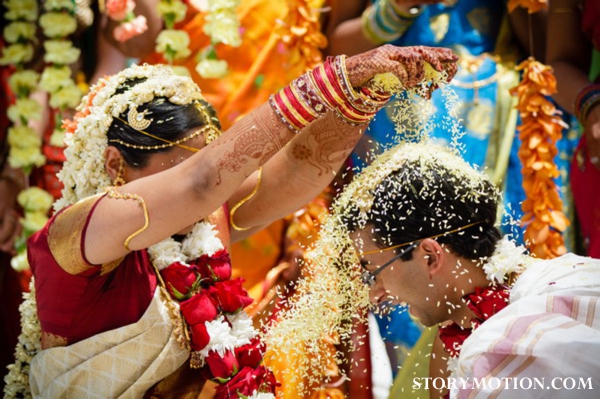
• The bride and the groom exchange garlands three times.
• When the couples finally succeed in garlanding each other they sit together on a swing.
• kanyadaanam

Muslim wedding
• It is celebrated on a grand scale for a period of five days.
• Cash present is sent to the bride’s father by the groom’s father.
• The bride wears sober clothes on the day.
• They observe a unique set of rituals on the time of their wedding.
• It is on day four that the actual ceremony takes place.
• In orthodox Muslim communities the men and women are seated separately
• The mutual consent of the bride and groom is of great importance for the marriage to be legal.
• At the groom’s house, the grooms mother holds the Islamic holy boon quran above the head of her newly wed daughter-in-law as she enters her new home for the first time.

No comments:
Post a Comment